Antimicrobial Resistance Surveillance
1. Laboratory Network: Enhanced Coverage for Quality-assured Practices!
2. Effective Launch of Bacteriology in Ouidah: Quality-assured Healthcare Closer to Communities!
3. Network Guide: A National Reference for Harmonized Practices.
4. External Quality Assessment: Reliable Results, Our Priority!
5. Tropicare Study: Innovation Serving Diagnositics at CHD/Zou-Collines Regional Hospital (Abomey)!
6. Capacity Building on Antimicrobial Resistance Control: May 2025 Edition.
7. Various participations in National and International Forums.
8. Antibiogo: The Network Committed in the Pilot Phase of a Promising Technological Innovation!
A word from the network coordinator
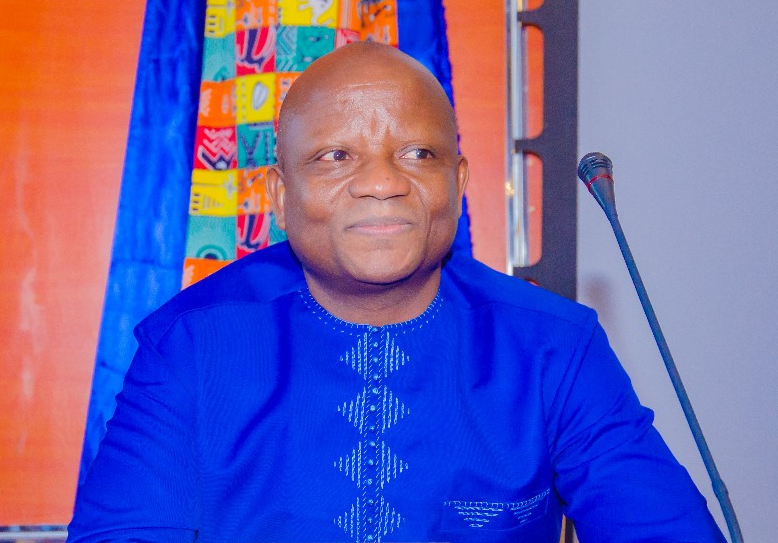
Over the past six months, the network of bacteriology laboratories in Benin has been further strengthened, both in terms of geographic coverage and strategic interventions.
Find the latest news here: new initiatives, training, events, and best practices to improve
This edition reflects the network’s collective efforts and concrete progress in the fight against antimicrobial resistance in Benin. Thanks to the commitment of laboratories, national and international partners, and all the stakeholders involved, we are moving step by step towards high-quality, accessible, and standardized diagnostics throughout the country.
Together, let’s work for reliable bacteriology tests in Benin and a stronger healthcare system.
Professor Dissou AFFOLABI
1. Laboratory network: enhanced coverage for quality practices!
The Benin bacteriology laboratory network is expanding. Following a recent assessment of bacteriology diagnostic capacity, five new laboratories have joined the family, bringing the total number of member laboratories in the network to fifteen. These are the laboratories of La Croix Hospital (Zinvié), Ouidah Zonal Hospital, and the Regional Hospitals of Borgou-Alibori (Parakou), Mono-Couffo (Lokossa), and Oueme-Plateau (Porto-Novo). These laboratories brought two new regions into the network. It is a major step forward in strengthening the promotion of good practices and ensuring reliable bacteriology tests, closer to the population!
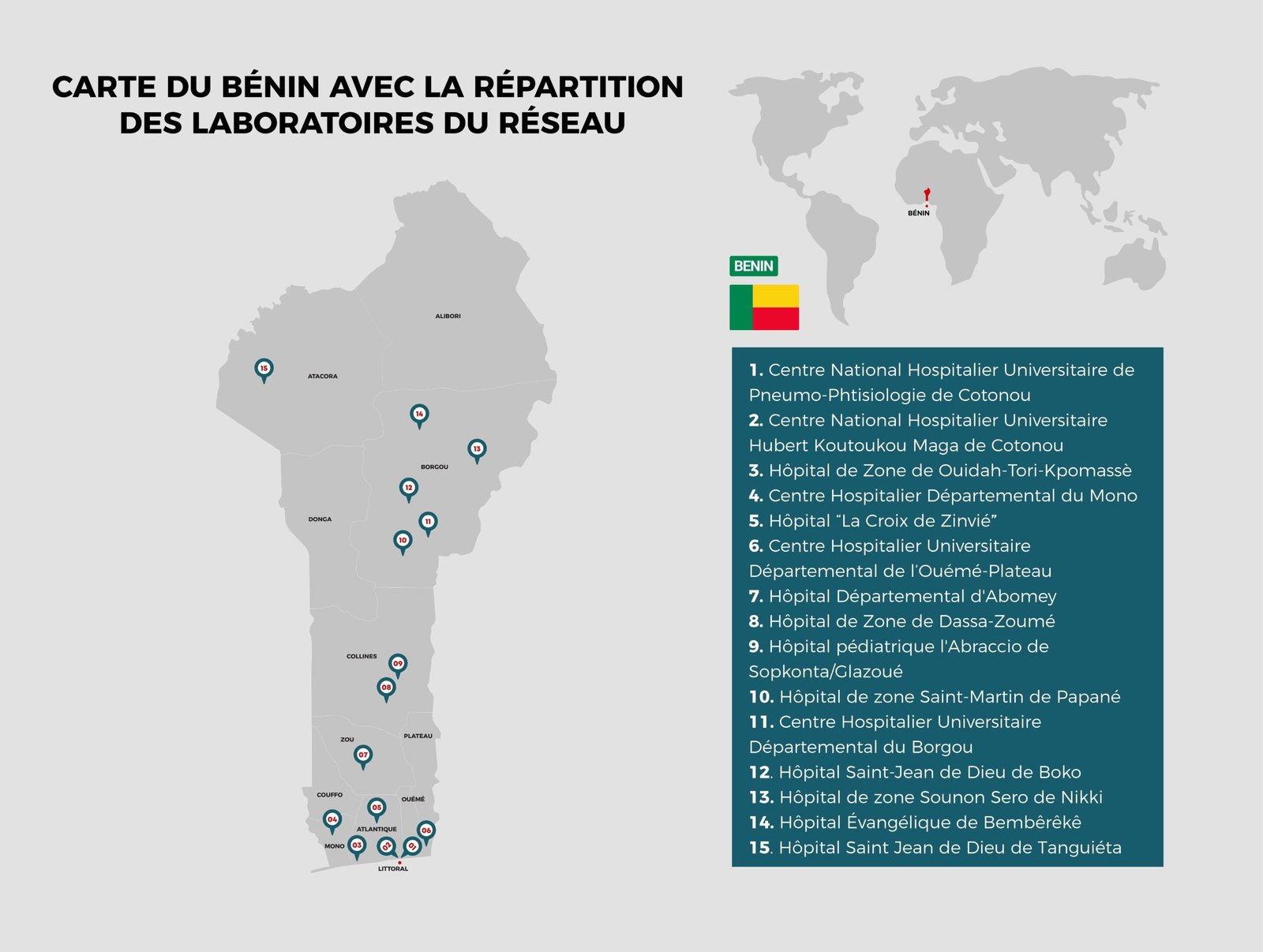
Distribution of hospitals in the bacteriology laboratory network in Benin, 2025
2. Effective Launch of Bacteriology in Ouidah: Quality-assured Healthcare Closer to Communities!
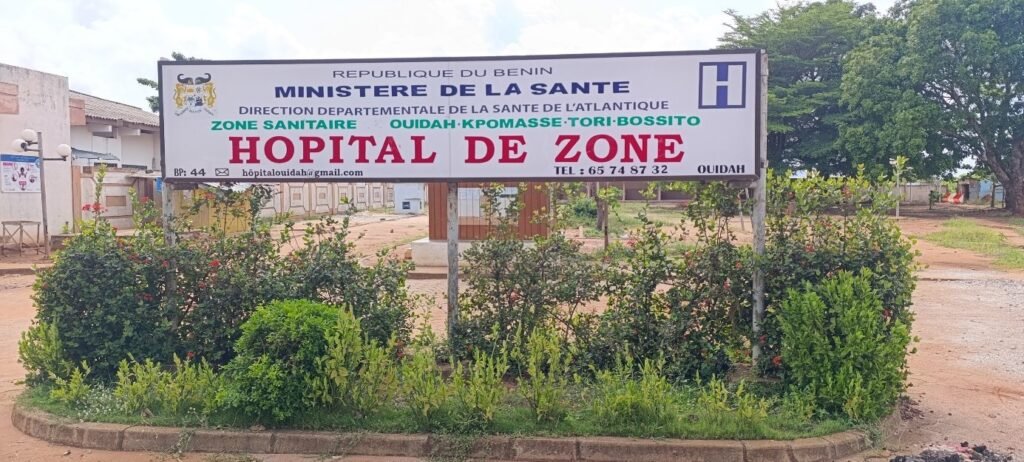
Ouidah-Kpomasse-Tori-Bossito Zonal Hospital, April 2025
Good news for the Ouidah–Kpomasse–Tori–Bossito (OKT) health zone: since April 2025, the bacteriology section of the Ouidah Zonal Hospital has been fully operational. This initiative aimed to make bacteriology tests more accessible to rural populations while strengthening the fight against antimicrobial resistance (AMR).
Thanks to support in equipment, reagents, and ready-to-use culture media, provided by the central level of the network, activities were able to begin in optimal conditions after an immersion course for staff at the University Clinic of Bacteriology and Virology at the Hubert Koutoukou Maga National University Hospital Center (Cotonou) followed by on-site support. This is a fine example of cooperation, supported by the local health authorities, to bring quality diagnosis closer to communities.
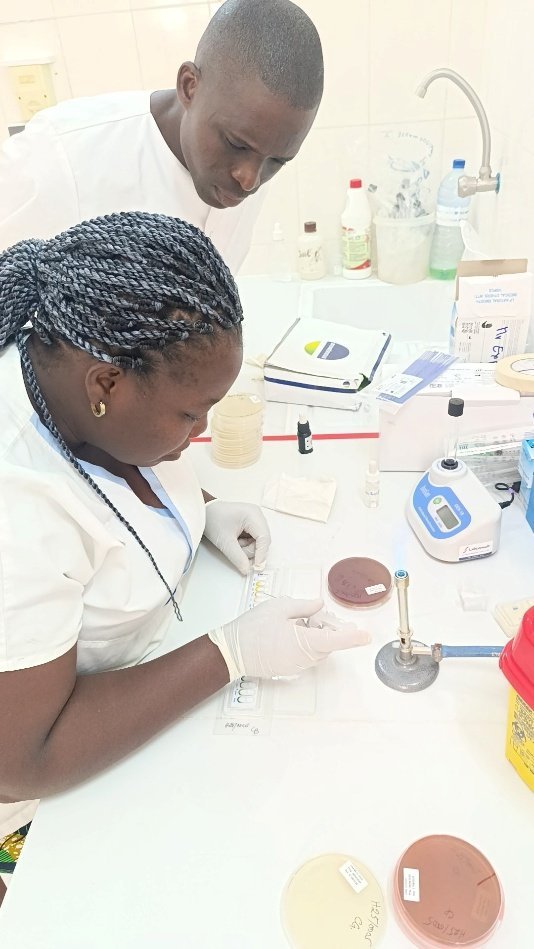
Bacteriology section staff at the start of bacteriology examinations, April 2025
3. Network guide: a National reference for harmonized practices.
It’s official: the first edition of the guide to good practices in bacteriology is now available in
all laboratories within the network! As the result of close collaboration with the Institute of Tropical Medicine in Antwerp (IMT), this guide has undergone a long process of development, validation by all network stakeholders, and multiple rereadings. The main objectives of this guide are to harmonize practices, strengthen the quality of diagnosis, and facilitate compliance with standards throughout the country.
A decisive step towards greater efficiency and consistency in our interventions!
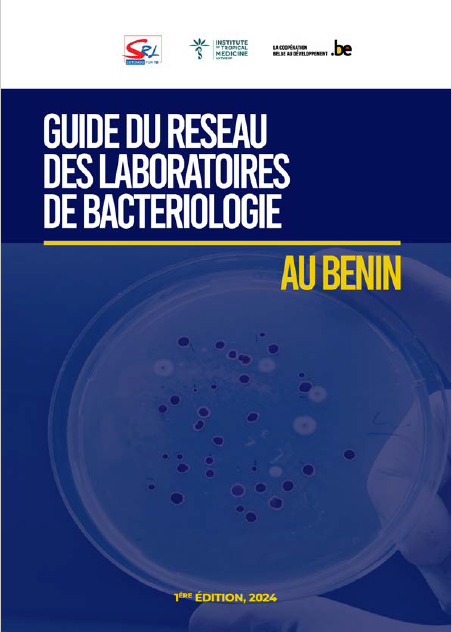
Guide to the network of bacteriology laboratories in Benin, 1st edition 2024
4. External quality assessment: Reliable results, our priority!
a. On-site supervision: focus on quality!
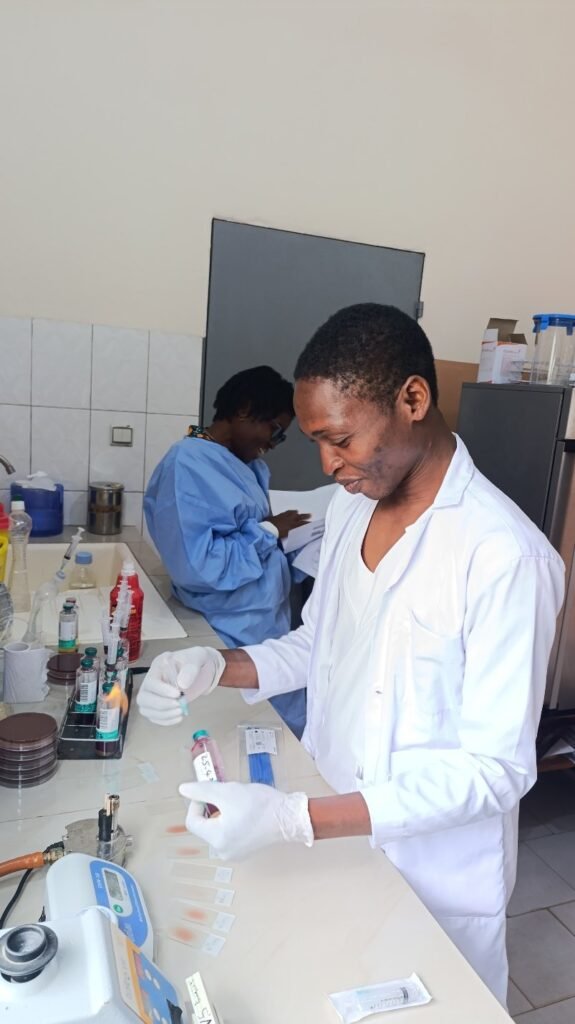
Progress of supervision at the Bembêrêkê Evangelical Hospital, July 2025
As part of the operation of the bacteriology laboratory network, supervision tours were carried out during the first and second quarters of 2025. Mixed teams made up of medical biologists and laboratory technicians went into the field to evaluate practices and strengthen the quality of diagnosis.
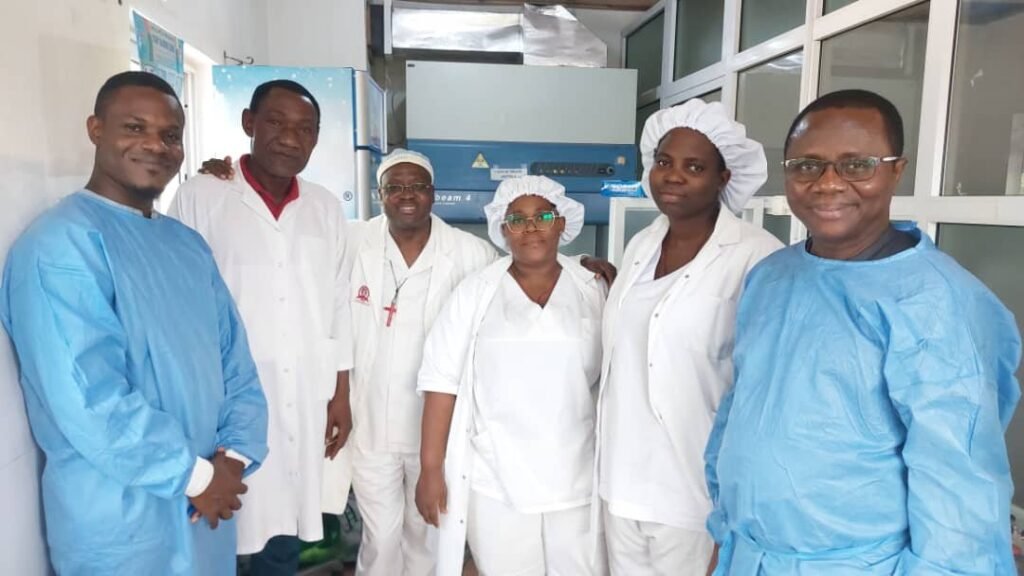
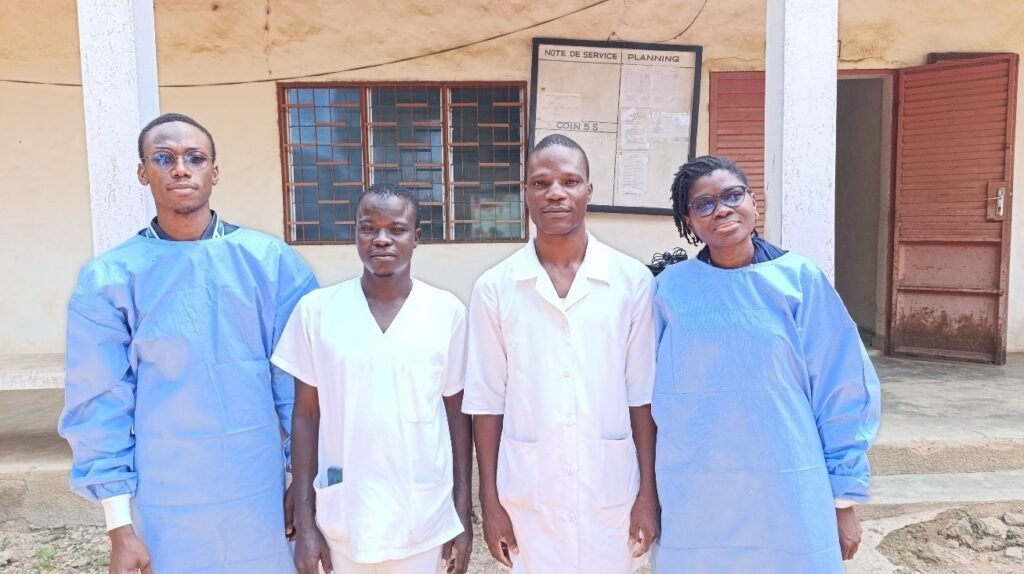
Family photos of the supervision teams with the staff of the Zinvié Cross Hospital and the Nikki Zone Hospital
Results: recommendations tailored to each site and a dynamic of continuous improvement!
b. External quality control in bacteriology
The network’s laboratories participated in an external bacteriological quality assessment (EQA), CQBACT panel – Round 1. Control samples rigorously prepared by personnel trained in ISO 17043 were sent in May 2025.
Each laboratory received its results confidentially, with detailed analyses to identify areas for improvement.
A comprehensive network performance report was distributed to members and shared with health authorities to strengthen the collective commitment to quality.
A Successful First Experience. A Significant Step Towards Excellence in Diagnosis!
The overall performance of the participants ranged from 64% to 97% and is illustrated in Figure 1.
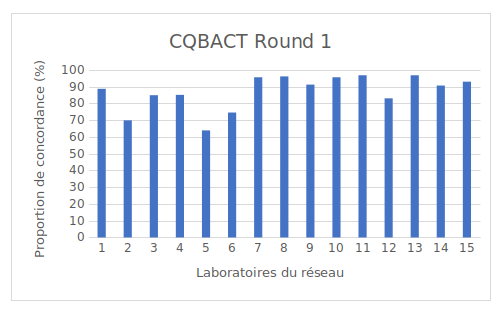
Overall Performance of Participants of the first round of External Quality Control
In total, 03 participants had unsatisfactory performance (< 80%), 04 participants had satisfactory performance (80 – 90%) and 08 participants had very satisfactory performance (> 90%). The supervision that followed was an opportunity to analyze the results with each participating laboratory and to investigate the causes of suboptimal performance.
5. Tropicare Study: Innovation Serving Diagnosis at Zou-Collines Regional Hospital (Abomey)!
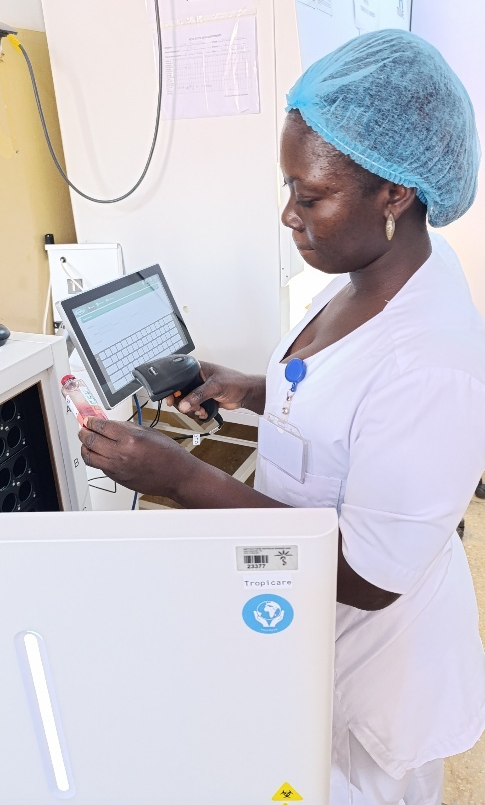
From January to June 2025, the Zou-Collines Departmental Hospital Center (CHD/Zou-Collines, Abomey) hosted the Tropicare study evaluating the Autobio BC-60-F automated blood culture reading system, designed to operate in a tropical environment. The objective was to compare the performance of the Autobio BC-60-F automated system with that of manual methods still used in many laboratories in Benin. The study is structured around two complementary components:
- A quantitative study, which analyzes diagnostic yield and infection detection time,
- A qualitative study, which explores user experience and the acceptability of this technology by local teams.
🔬 Another step towards rapid, reliable diagnostics adapted to the realities of tropical countries!
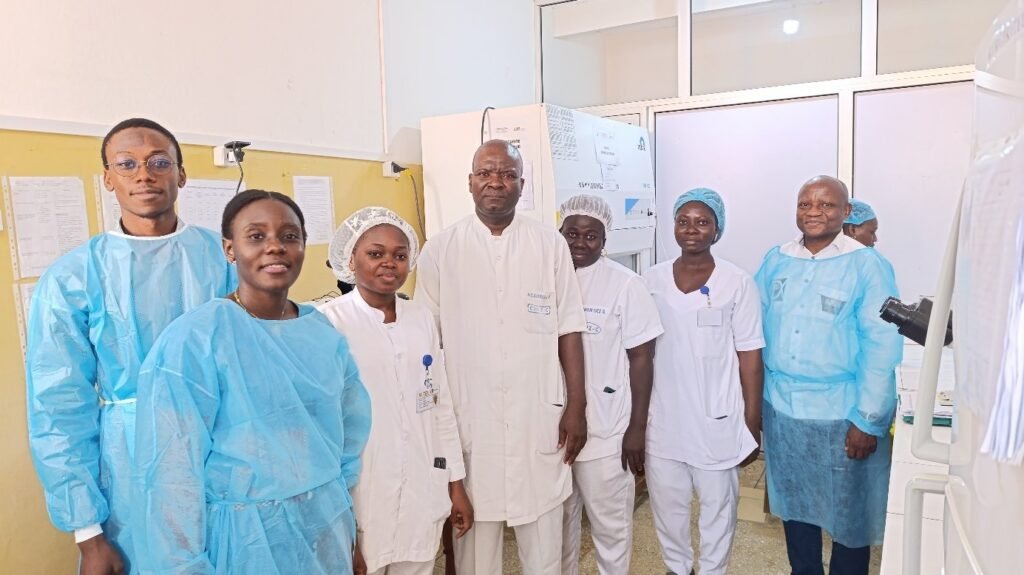
Family photo at the start of the Tropicare study, CHD/Zou-Collines, January 2025
6. Strengthening skills in controlling antibiotic resistance: May 2025 edition
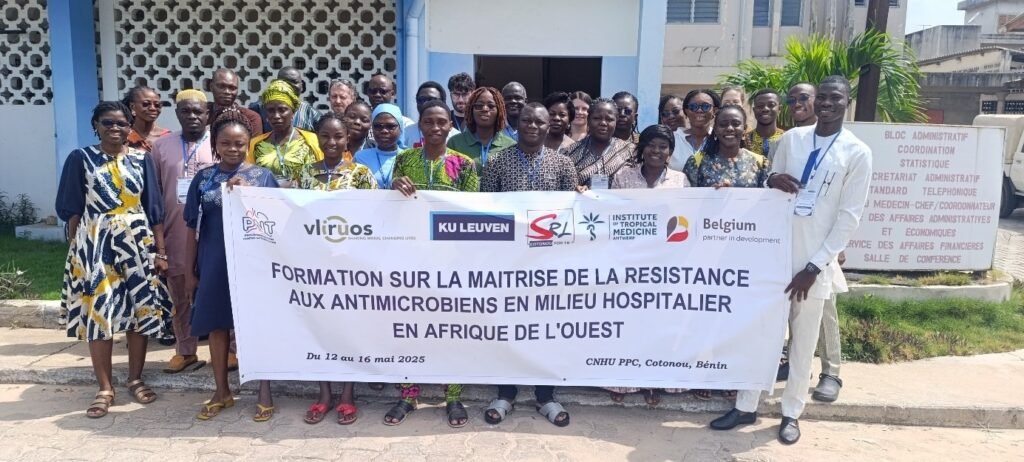
Family photo for the third edition of the courses, May 2025
With the support of the Institute of Tropical Medicine (ITM, Antwerp, Belgium) and the VLIR-UOS fund, the third edition of the course on antimicrobial resistance control in hospital settings in West Africa took place in May 2025 in Cotonou.
In addition to Beninese participants, this edition included clinicians and biologists from Burkina Faso (Yalgado Ouédraogo University Hospital in Ouagadougou and Nanoro Health Research Center) as well as the Institute of ITM. This diversity reflects growing interest in the network’s collaborative approach and regional commitment to safer and more effective diagnosis.
A wonderful dynamic of sharing expertise, paving the way for an expanded and strengthened network serving public health in West Africa!
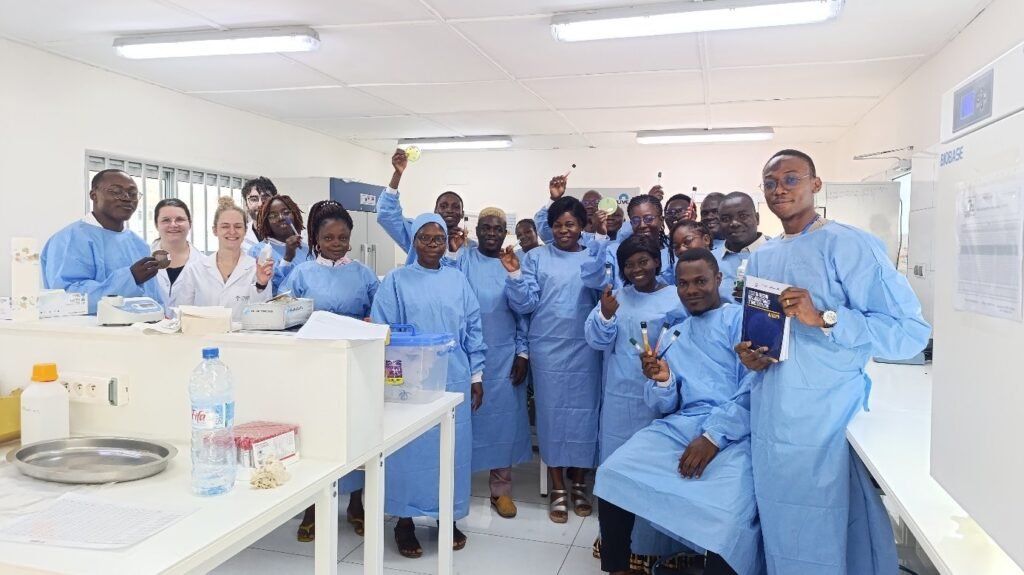
Clinician visit to the laboratory, VLIR May 2025
7. Various participations in National and International Forums
a. National Exchange Day on the Fight Against Antimicrobial Resistance (AMR): Towards Synergistic Actions!
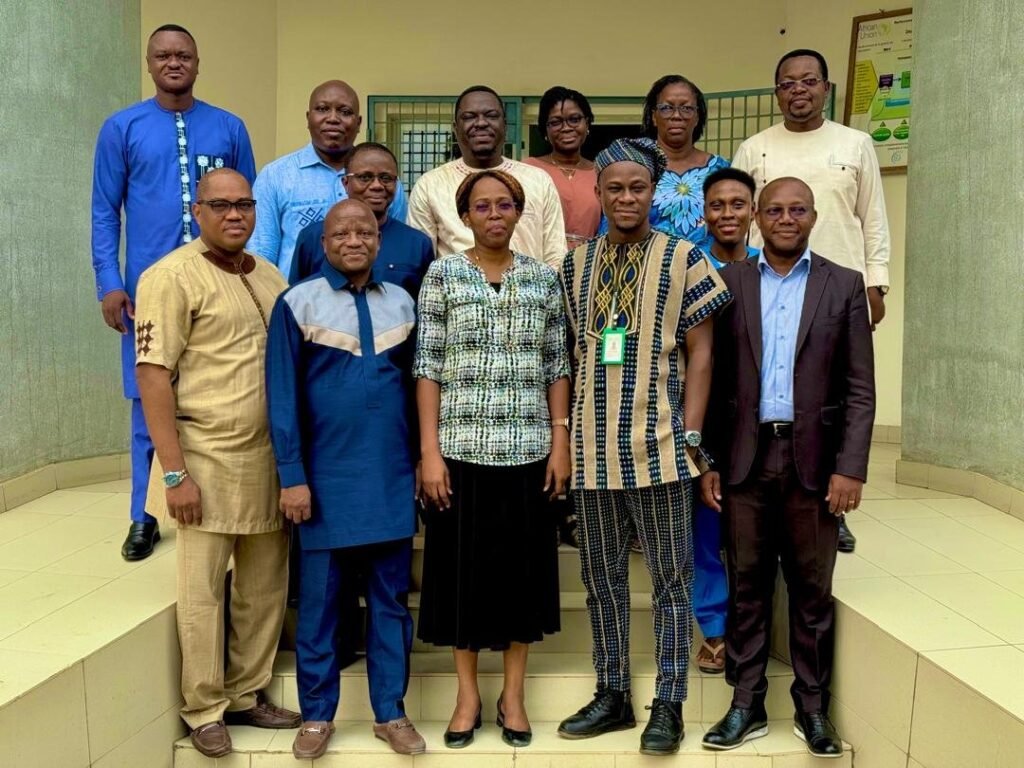
Family photo of the main actors in the fight against AMR in Benin, February 2025
In February 2025, the fight against antimicrobial resistance (AMR) gained new momentum in Benin thanks to a day of inter-institutional exchanges dedicated to the human medicine sector. In response to the global health emergency posed by AMR, and as part of the implementation of the National Multisectoral Action Plan to Combat AMR (PANRAM 2025–2030), the Directorate of Diagnostic Investigations (DED) brought together key stakeholders to strengthen coordination and harmonization of interventions.
This meeting brought together high-level representatives from the Diagnostic Explorations Directorate (DED), the Hospital Directorate (DEH), the Mycobacteria Reference Laboratory (LRM), the Applied Microbiology and Pharmacology of Natural Substances Research Unit (URMAPha) of the University of Abomey-Calavi, and the Beninese Society of Infectious and Tropical Pathology (SOBEPIT).
The main finding remains the weak coordination of AMR initiatives at the national level, which limits their collective effectiveness.
It was therefore decided to create, under the aegis of the DED, a national coordination and communication platform. AMR.
b. Notable Presence at ESCMID Global 2025: The Benin AMR surveillance network presented in Vienna!
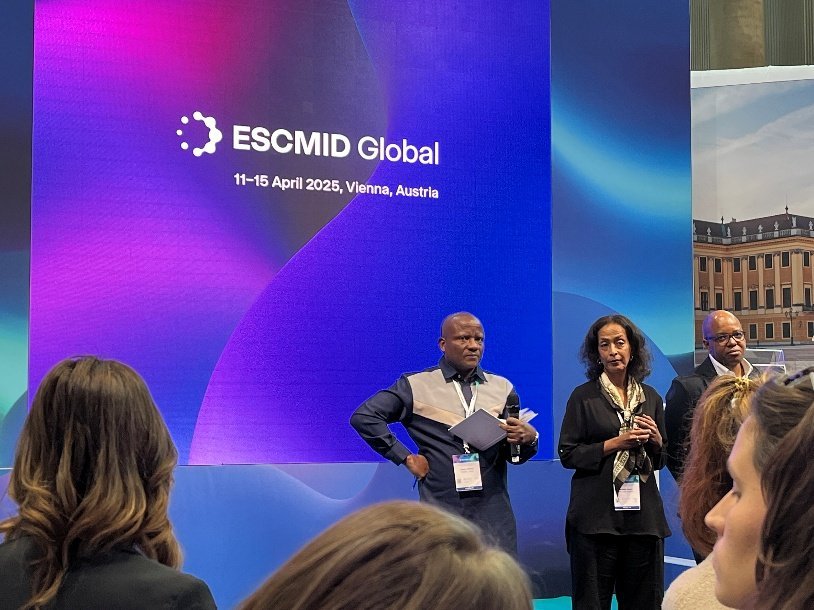
From April 11 to 15, 2025, Professor Dissou AFFOLABI, coordinator of the network of bacteriology laboratories in Benin, was invited to the annual conference of the European Society for Clinical Microbiology and Infectious Diseases (ESCMID). This conference was an opportunity for him to present the Beninese experience of setting up a network of bacteriology laboratories, based on the model of the fight against tuberculosis, with the aim of improving the surveillance of antimicrobial resistance in the country.
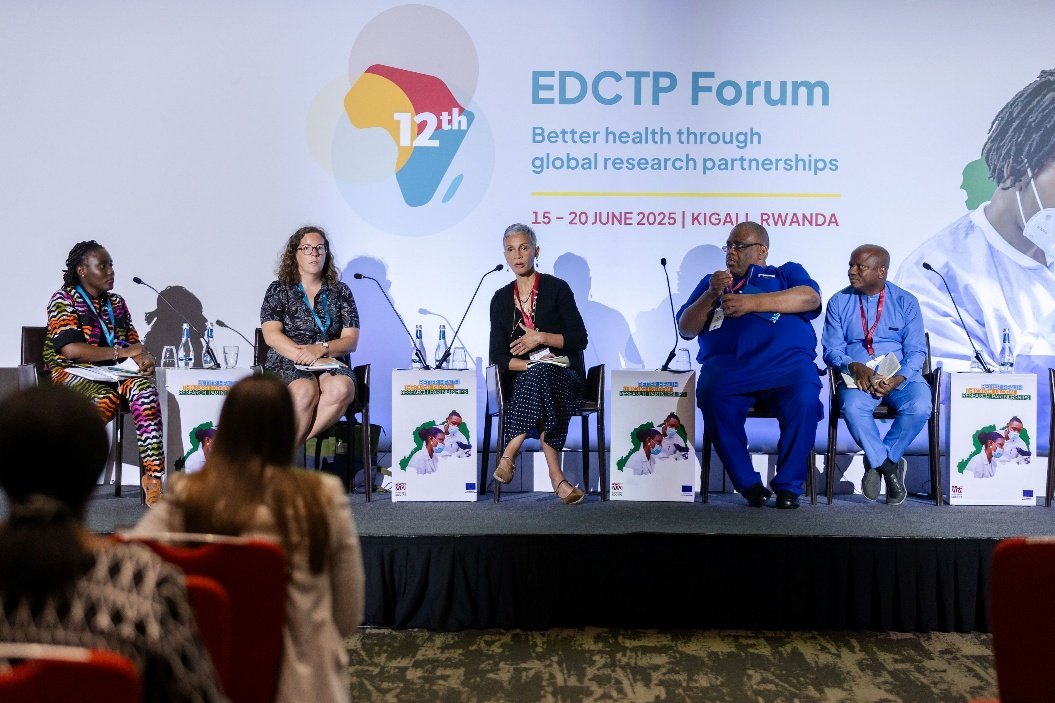
c. EDCTP Forum, Kigali, Rwanda, June 15-20, 2025!
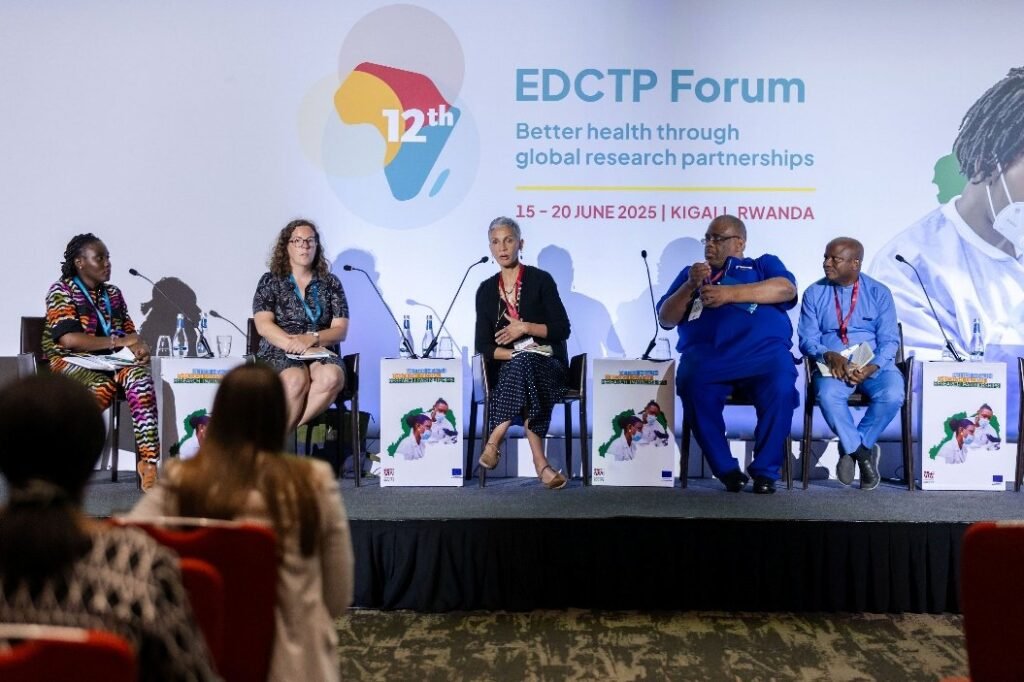
At the EDCTP Forum, one of the largest scientific gatherings on European Union-funded clinical research in Kigali, Rwanda, in June 2025, Dr. Faridath Massou of Benin and Prof. Liselotte Hardy of Belgium co-chaired a symposium entitled « Bridging the Gap: Developing Local Production of Bacteriological Diagnostics in Africa. »
This session featured three speakers: Dr. Pascale ONDOA (The Global Fund), who presented the results of the MAAP (Mapping Antimicrobial Resistance and Antimicrobial Use Partnership) study, emphasizing gaps in access to quality diagnostics and the need for strengthened local capacity in Africa; and Dr. Mosoka FALLAH (Africa CDC), who shared Africa CDC’s strategic vision for the local production of diagnostic inputs to reduce dependence on imported health products. and finally, Professor Dissou AFFOLABI, who presented Benin’s experience in the local production of culture media through the SIMBLE project. The discussions highlighted the persistent logistical, regulatory and financial challenges but also the concrete opportunities for developing sustainable diagnostic autonomy in Africa.
8. Antibiogo: the network Committed in the pilot phase of a promising technological innovation!
The laboratory network is preparing to take a new step forward with its participation in the pilot phase of Antibiogo, an innovative digital platform developed by the “Doctors Without Borders” Foundation. The goal of this solution is to help laboratory practitioners interpret antibiograms more accurately, quickly, and in a standardized manner, even in resource-limited areas. This project is fully in line with the network’s efforts to improve the quality of bacteriology tests and better fight antimicrobial resistance.
A great opportunity to test, contribute, and develop a technological solution designed for the field!
Contact us: For any questions or suggestions, write to abenimas@gmail.com.